BACK TO MAIN SITE

PSYCHEDELIC INTEGRATION

IN CLINICAL PRACTICE


Supporting clients as they navigate complex experiences 


Self-Paced Online Short Course


START LEARNING NOW

PSYCHEDELIC INTEGRATION

IN CLINICAL PRACTICE


Supporting clients as they navigate complex experiences


Self-Paced Online Short Course


START LEARNING NOW

Important: This course provides education about integration only. We do not provide, recommend, arrange, or facilitate access to psychedelic substances. We do not encourage illegal activity. Clinicians must work within local laws, professional scope, and supervision.

YOUR CLIENTS ARE ALREADY EXPLORING PSYCHEDELICS.

Psychedelic use is growing rapidly in all areas - in clinical settings, underground and recreationally. Clients are coming to therapists with profound, confusing or destabilising experiences asking: “How do I make sense of this?”

Many practitioners, even those certified in psychedelic-assisted therapy, feel underprepared for a crucial aspect of a psychedelic experience: Integration. Without clear and practical skills for integration, the therapeutic benefits of these experiences may be challenging to stabilise for your clients. 


HOW CONFIDENT ARE YOU TO SUPPORT THEM?

LEARN THE ART OF INTEGRATION.

Video Poster Image
START LEARNING NOW

LEARN THE ART OF INTEGRATION.

Video Poster Image
START LEARNING NOW
"Whether it was yesterday or from the distant past,

whether it was blissful or destabilising,

our framework supports integration across a wide range of 
experiences."

LEARN WITH US

THE METACOGNITIVE PSYCHEDELIC INTEGRATION (MPI) FRAMEWORK

Developed by Integrative Psychology & Medicine, the MPI framework draws psychedelic-assisted therapy research and advances in mentalization and metacognitively based therapies. It gives you cohesion, structure and confidence with your clients without reducing their experience into a manualised treatment. The framework has three distinct phases:

MPI - PHASE ONE

Stability, Coalescence & Safety

This initial phase occurs immediately following the psychedelic session. It involves a reorganising and reshaping of the patient’s self-concept and perception, with a focus on establishing safety and stabilisation of the self-structure.  Art therapy techniques are used to provide structure and containment, aiding in the reconstitution of the self and the re-establishment of boundary recognition. This is a period marked by reflection rather than active narrativization and emphasizing the reactivation of metacognitive functions.

MPI - PHASE TWO

Extension & Stabilisation of View

This phase is critical for determining whether the expanded view attained during the psychedelic experience becomes a transient state or is stabilized into a lasting stage. The goal here is to slow down the process of narrativization and to attune to the key features of the psychedelic experience, stabilizing the metacognitive perspectives gained. The therapist’s role is to foster a relational space where the patient can re-experience and extend the key qualities of the expanded view achieved within the psychedelic session.

MPI - PHASE THREE

Narrative Self-Integration  

The final phase in the integration model focuses on stabilising the novelty of psychedelic experience at the level of identity, using the mind’s natural tendency to narrativize experience in order to generate constructive meaning. This phase employs more traditional psychotherapeutic approaches to process any residual material and to integrate the psychedelic experience into a new self-narrative. It addresses the redefinition of self and agency prompted by the psychedelic experience and aims to reconcile this with the patient’s ongoing life story.

LEARN WITH US

THE METACOGNITIVE PSYCHEDELIC INTEGRATION (MPI) FRAMEWORK

Developed by Integrative Psychology & Medicine, the MPI framework draws psychedelic-assisted therapy research and advances in mentalization and metacognitively based therapies. It gives you cohesion, structure and confidence with your clients without reducing their experience into a manualised treatment. The framework has three distinct phases:


Learn the how of integration through

practical demonstrations, clear instructions, and our integrative framework.

WHY DOES INTEGRATION MATTER?

Video Poster Image
START LEARNING NOW

WHY DOES INTEGRATION MATTER?

Video Poster Image
START LEARNING NOW

WHO IS THIS FOR?

FOR MENTAL HEALTH  AND ALLIED HEALTH PROFESSIONALS

This course is primarily designed for mental health and allied health professionals:

  • Psychologists
  • Psychotherapists
  • Social Workers
  • Psychiatrists
  • Nurses
  • Counsellors
  • Spiritual carers 

This is short and accessible course, made for any practitioner who wishes to support clients in the integration of their psychedelic experiences no matter when or where they occurred in the past.  


Important Note: This course is not a certification in psychedelic-assisted therapy. Completion does not qualify participants to provide psychedelic-assisted therapy or to possess, prescribe, supply, or facilitate access to psychedelic substances


WHO IS THIS FOR?

FOR MENTAL HEALTH  AND ALLIED HEALTH PROFESSIONALS

This course is primarily designed for for mental health and allied health professionals:

  • Psychologists
  • Psychotherapists
  • Social Workers
  • Psychiatrists
  • Nurses
  • Counsellors
  • Spiritual carers

This is short and accessible course, made for any practitioner who wishes to support clients in the integration of their psychedelic experiences no matter when or where they occurred in the past.  


Important Note: This course is not a certification in psychedelic-assisted therapy. Completion does not qualify participants to provide psychedelic-assisted therapy or to possess, prescribe, supply, or facilitate access to psychedelic substances


EFFICIENT

Approx 12 hours of learning.

PRACTICAL

Apply it to clinical practice within your professional scope..

ACCESSIBLE

Flexible, expertly designed, online.

AFFORDABLE

$295 (+GST)

AUD

START LEARNING WITH US


Gain confidence to support your clients with the Metacognitive Psychedelic Integration (MPI) framework.


BUY THE COURSE FOR $295 (+GST)

Important: This course provides education about integration only. We do not provide, recommend, arrange, or facilitate access to psychedelic substances. We do not encourage illegal activity. Clinicians must work within local laws, professional scope, and supervision.

NOT YET READY FOR THE FULL COURSE?

Get started with some free resources about psychedelic integration in clinical work:

8 MODULES OF THE COURSE

MODULE 1
The Problem of Integration

Why psychedelic integration is still an ambiguous and under-defined area, and how a clear procedural approach can close the knowledge gap in clinical practice.

MODULE 2
Concentration and Integration

How metacognitive skills help clients stabilize, clarify, and extend insights—even after difficult or destabilising psychedelic experiences.

MODULE 3
Radical Empiricism

A Philosophy for Practice
Mapping states of consciousness as a practical tool for navigating and integrating human experience in therapy.

MODULE 4
Metacognition and Its Role in Integration

 Understanding basic to advanced metacognitive skills and how they empower clients to process and integrate psychedelic insights.

MODULE 5
MPI Framework Phase One

Stability, Coalescence & Safety.

Establishing grounding and coherence so clients can safely work with psychedelic material.

MODULE 6
MPI Framework Phase Two

Extension & Stabilisation of View.

Supporting clients to work towards deepening and sustaining their insights.

MODULE 7
MPI Framework Phase Three

Narrative Self-Integration.

Helping clients weave psychedelic experiences into a coherent personal narrative to support enduring change.

MODULE 8
Clinical Demonstrations and Summary

Demonstrations of the Metacognitive Psychedelic Integration framework applied within a clinical context.

8 MODULES OF THE COURSE

MODULE 1
The Problem of Integration

Why psychedelic integration is still an ambiguous and under-defined area, and how a clear procedural approach can close the knowledge gap in clinical practice.

MODULE 2
Concentration and Integration

How metacognitive skills help clients stabilize, clarify, and extend insights—even after difficult or destabilizing psychedelic experiences.

MODULE 3
Radical Empiricism

A Philosophy for Practice
Mapping states of consciousness as a practical tool for navigating and integrating human experience in therapy.

MODULE 4
Metacognition and Its Role in Integration

 Understanding basic to advanced metacognitive skills and how they empower clients to process and integrate psychedelic insights.

MODULE 5
MPI Framework Phase One

Stability, Coalescence & Safety.

Establishing grounding and coherence so clients can safely work with psychedelic material.

MODULE 6
MPI Framework Phase Two

Extension & Stabilisation of View.

Supporting clients to work towards deepening and sustaining their insights.

MODULE 7
MPI Framework Phase Three

Narrative Self-Integration.

Helping clients weave psychedelic experiences into a coherent personal narrative to support enduring change.

MODULE 8
Clinical Demonstrations and Summary

Demonstrations of the Metacognitive Psychedelic Integration framework applied within a clinical context.

YOUR EDUCATORS

This course will be taught by our faculty at Integrative Psychology & Medicine.

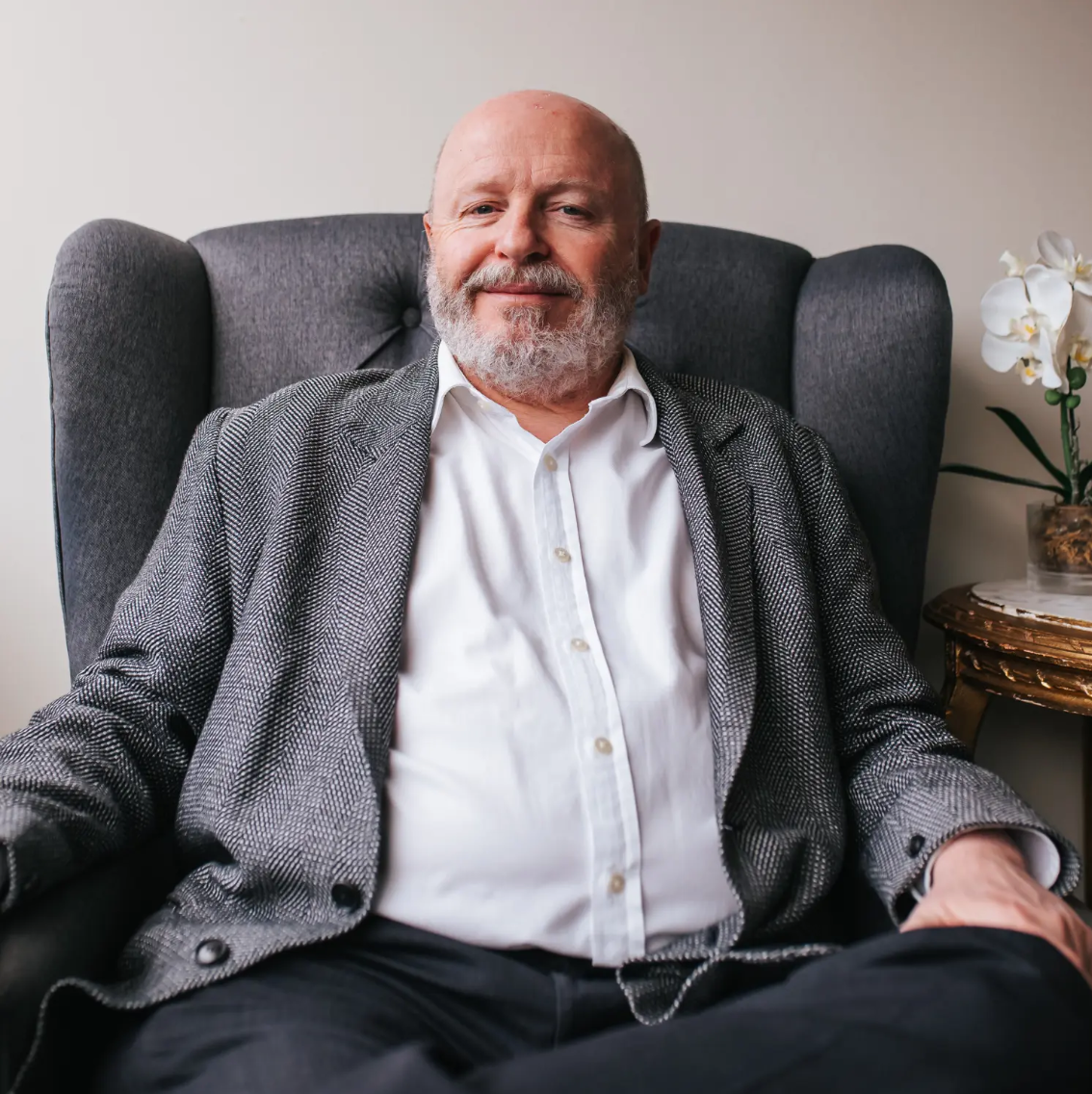
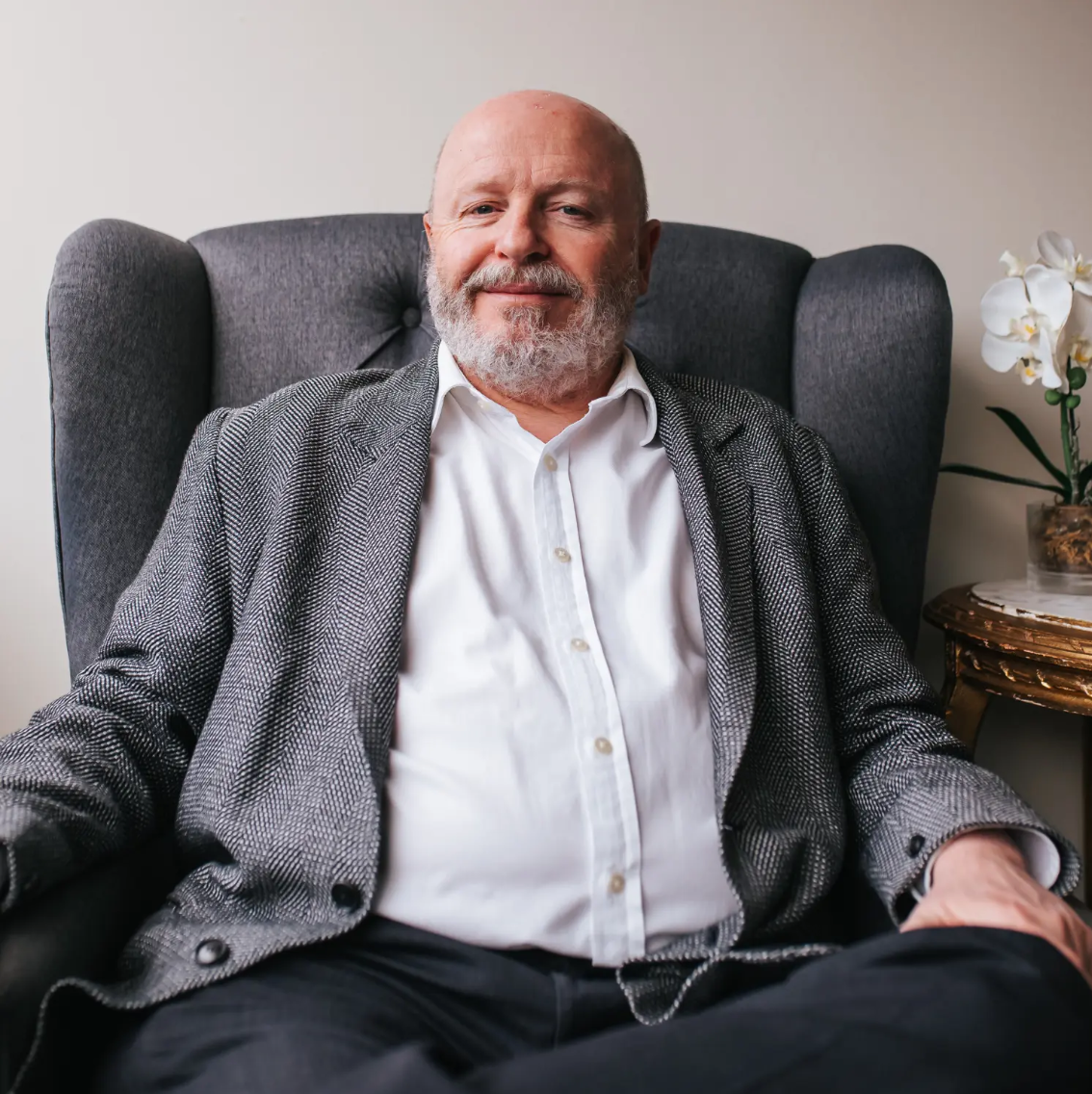
NIGEL DENNING

Nigel Denning is an AHPRA-registered counselling psychologist and educator with over 35 years' experience working with non-ordinary states of consciousness. He has been at the forefront of integrating psychedelic-assisted therapy, transpersonal psychology, and holotropic breathwork into contemporary clinical practice.

Nigel began working with non-ordinary states in the 1980s under Alf and Muriel Foote, later training extensively with Dr. Stanislav Grof, one of the pioneers of psychedelic psychotherapy, and working alongside him for over a decade. As co-founder of Integrative Psychology & Medicine, Nigel has played a central role in shaping psychedelic-assisted therapy training in Australia, where he and Dr. Traill Dowie have trained over 300 clinicians. He has co-developed the internationally acclaimed Certificate of Psychedelic Assisted Therapy for Mind Medicine Australia. Nigel is currently co-lead therapist on three clinical trials of psychedelics and is a fellow of the Australian National University. 

Nigel’s contributions extend to psychedelic crisis care and integration, including co-founding  a Spiritual Emergency Centre in collaboration with Tav Sparks, inspired by Grof’s work. He is also a trained clinician with the Multidisciplinary Association for Psychedelic Studies (MAPS). His career bridges the pioneering wisdom of early psychedelic research with the needs of today’s practitioners, ensuring that ethical, safe, and skillful facilitation remains at the heart of this growing field.

DR. TRAILL DOWIE

Dr. Traill Dowie is a clinician, academic, and philosopher with dual PhDs in Philosophy and Psychiatry, and is a leading figure in psychedelic-assisted therapy and psychotherapy education in Australia. He was an Associate Professor of Psychotherapy at the Ikon Institute, and is a Research Fellow at both La Trobe University (Philosophy) and the Australian National University (School of Medicine and Psychology).

A qualified clinician with the Multidisciplinary Association for Psychedelic Studies (MAPS), Traill has a deep interest in the history and foundations of psychological practice. His doctoral work at Monash University explored the ontological and epistemological basis of psychology in medicine, while his academic career bridges philosophy of mind, phenomenology, and clinical practice.

Traill’s teaching and research are informed by his studies with influential figures, including collaborations with Dr. Cornel West (Princeton and Union Theological Seminary), engagements with Irvin Yalom MD (Stanford), Dr. Stan Krippner (Saybrook University), and extended research at the University of Virginia’s Consciousness and Perceptual Studies Lab. He has also participated in seminars on transpersonal psychology and traditional healing at Berkeley University.

As co-founder of Integrative Psychology & Medicine, Traill has helped develop Australia’s first systematic psychedelic-assisted therapy trainings, written accredited curricula from undergraduate to postgraduate levels.

START LEARNING NOW

YOUR EDUCATORS

This course will be taught by our faculty at Integrative Psychology & Medicine.

START LEARNING NOW

Educational content only; not a substitute for clinical supervision or advice; outcomes vary; practice within scope and local laws; seek supervision where appropriate.